The Soul of Old Japan: A Journey Through Kyoto’s Hidden Zen Gardens and Tea Houses
 RAMA MEZIANE
1. The Gion District: A Walk Through Living History
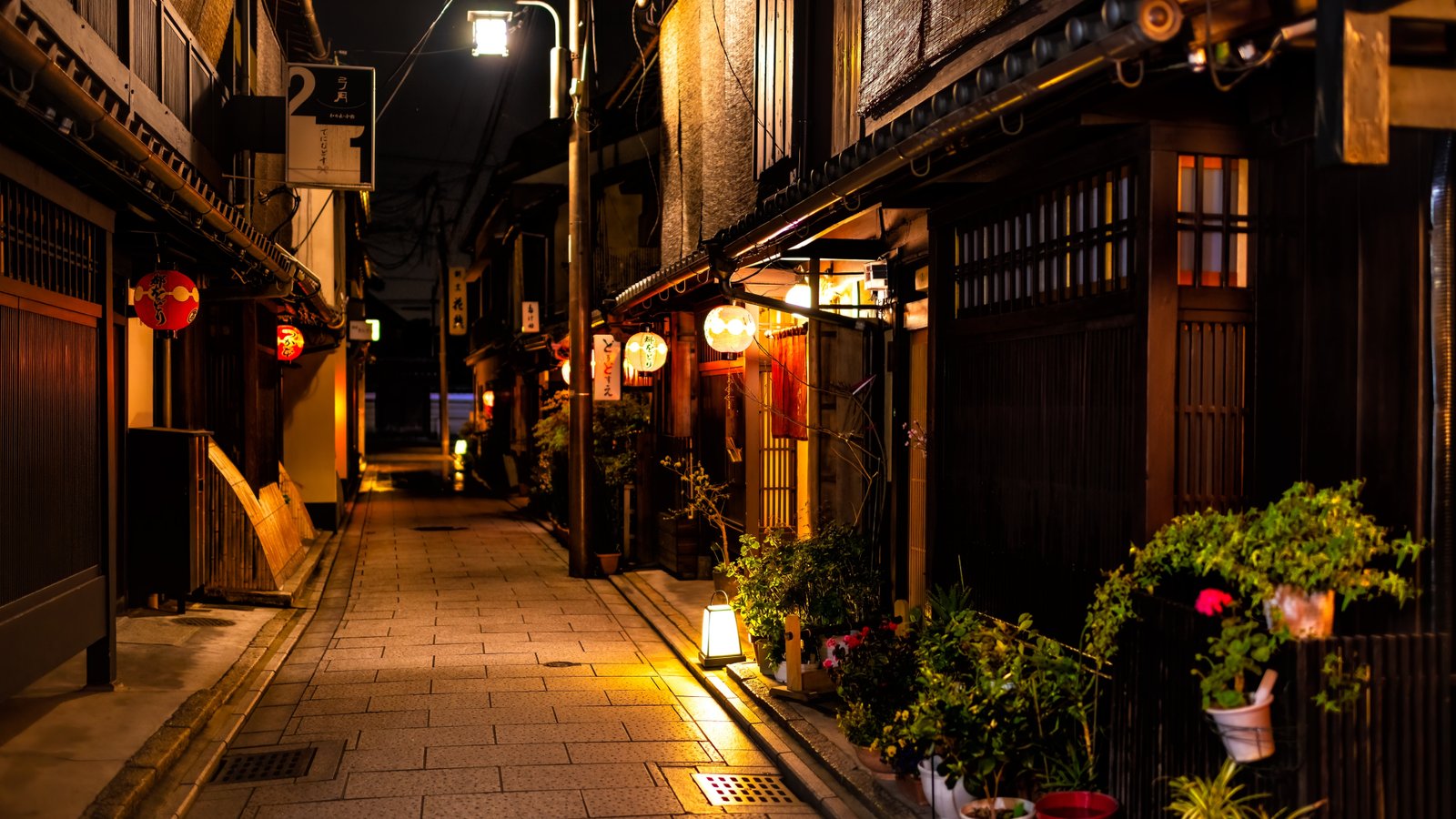
Walking through the narrow wooden streets of Gion at twilight feels like entering a movie set. This is Japan’s most famous Geisha district, where the "Ochaya" (tea houses) have hosted the elite for centuries. The beauty of Gion lies in its details: the glowing paper lanterns, the sound of wooden sandals (geta) on stone paths, and the occasional glimpse of a Maiko in a silk kimono disappearing into a doorway. It’s a place that demands silence and respect, rewarding the patient traveler with a rare look at Japan’s aristocratic past.
2. The Art of Zen at Ryoan-ji Temple
In the busy world of modern travel, Kyoto offers a sanctuary in its Zen rock gardens. Ryoan-ji is perhaps the most famous of these. It consists of nothing but fifteen rocks set in a bed of raked white gravel. The design is intentional: from any angle you sit on the wooden veranda, at least one rock is always hidden from view. It is a physical riddle designed to encourage meditation and remind us that in life, we can never see the whole truth at once. Spending thirty minutes here in silence is more refreshing than any spa treatment.
Pro Tip :
- Visit early in the morning, right as the gates open, to experience the garden before the crowds arrive.
3. Arashiyama: More Than Just Bamboo
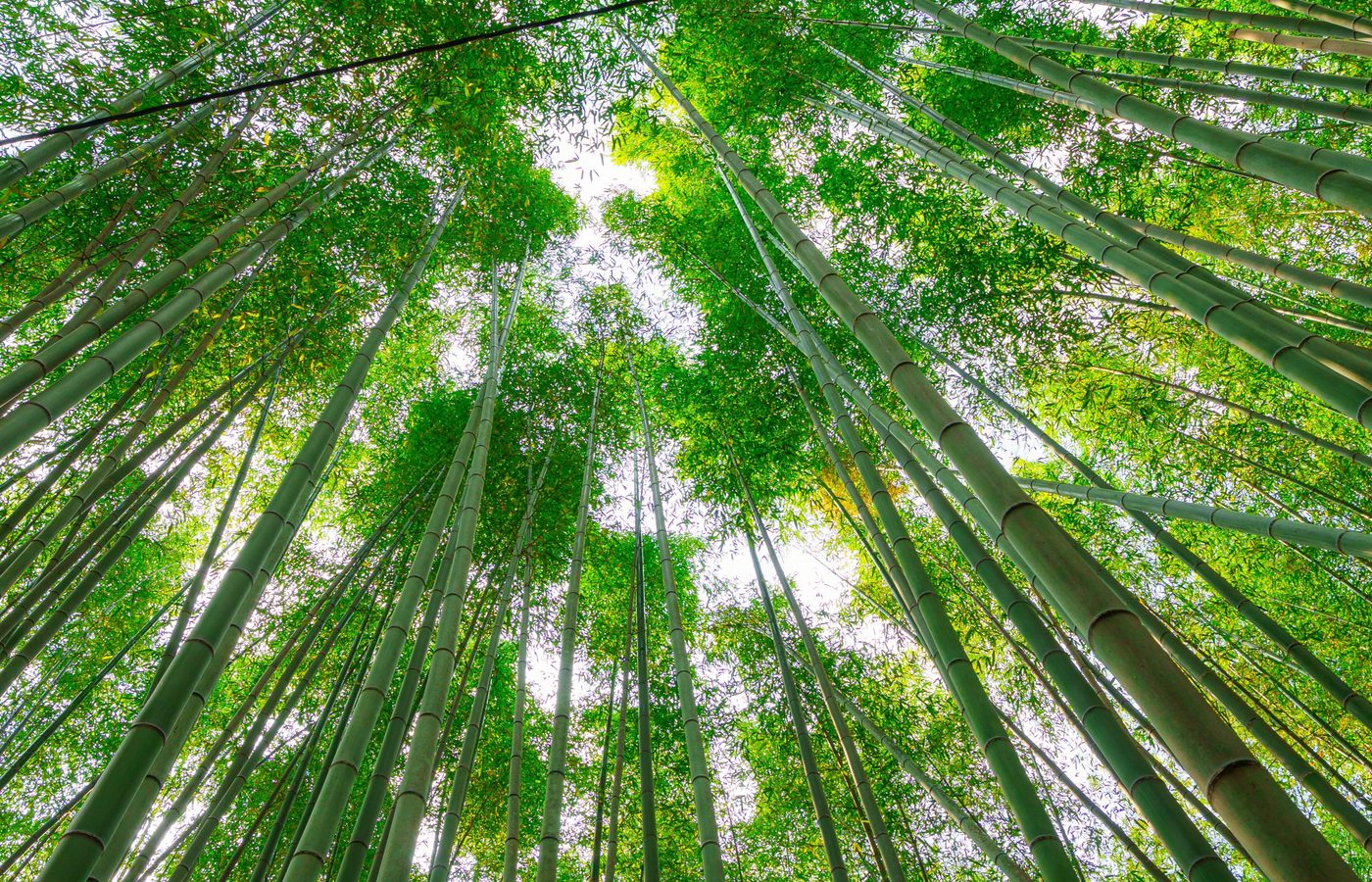
Most travelers come to Arashiyama for the iconic Bamboo Grove, and while walking through those towering green stalks is magical, the area has so much more to offer. Just a few steps away is the Tenryu-ji Temple, with a garden that has remained unchanged for 700 years. If you want a truly luxury experience, book a private wooden boat cruise on the Hozugawa River. Watching the forested mountains change color with the seasons while sipping hot matcha on the water is a memory you will keep forever.
4. The Golden Pavilion: Kinkaku-ji
No trip to Kyoto is complete without seeing the Temple of the Golden Pavilion. The top two floors are completely covered in pure gold leaf, reflecting brilliantly in the "Mirror Pond" that surrounds it. It was originally built as a retirement villa for a Shogun, and that sense of power and luxury still lingers today. The surrounding strolling garden is a masterpiece of Japanese landscaping, where every pine tree and stone has been placed with absolute precision to create a "perfect" view from every angle.
5. Nishiki Market: A Feast for the Senses
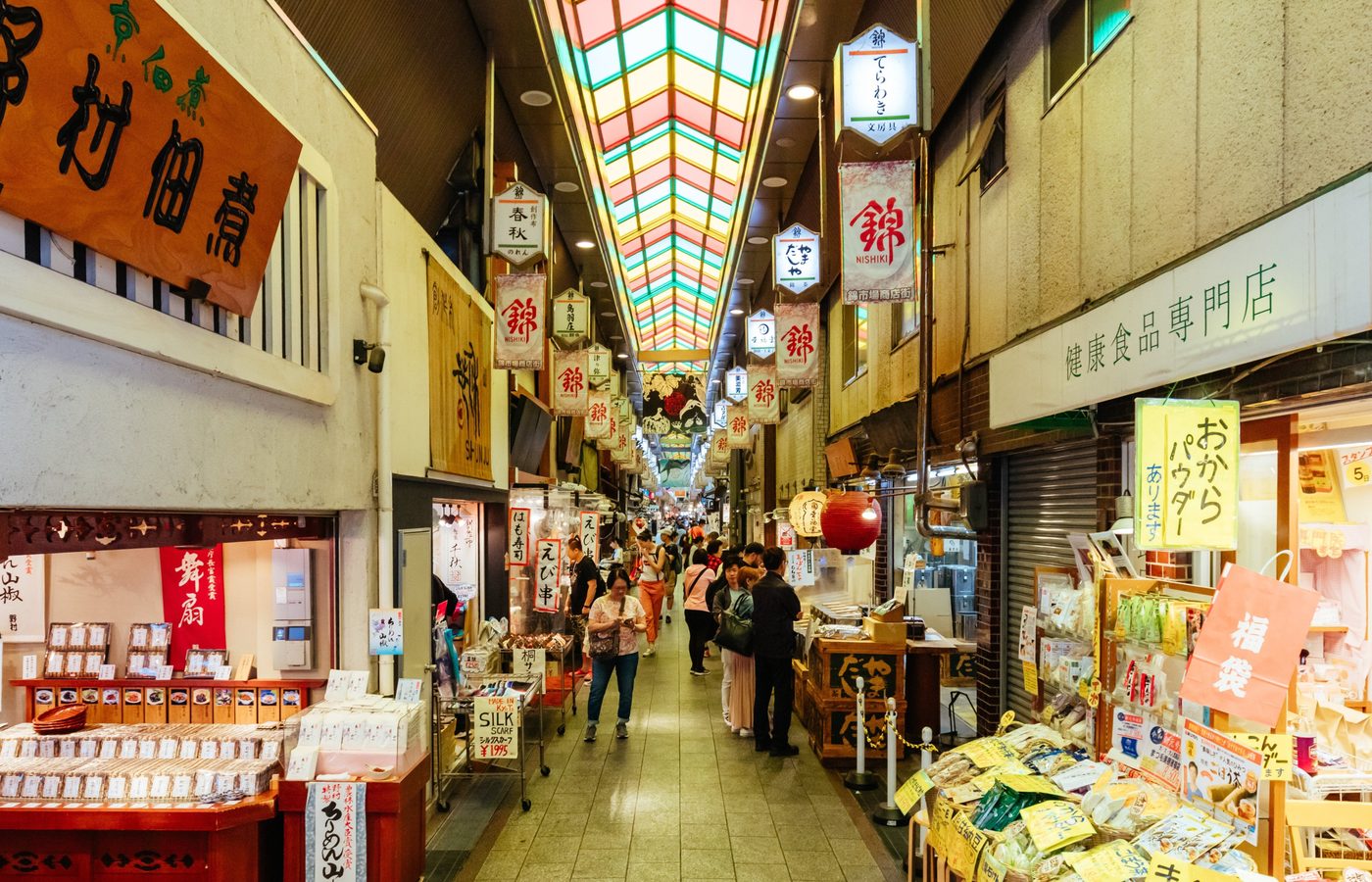
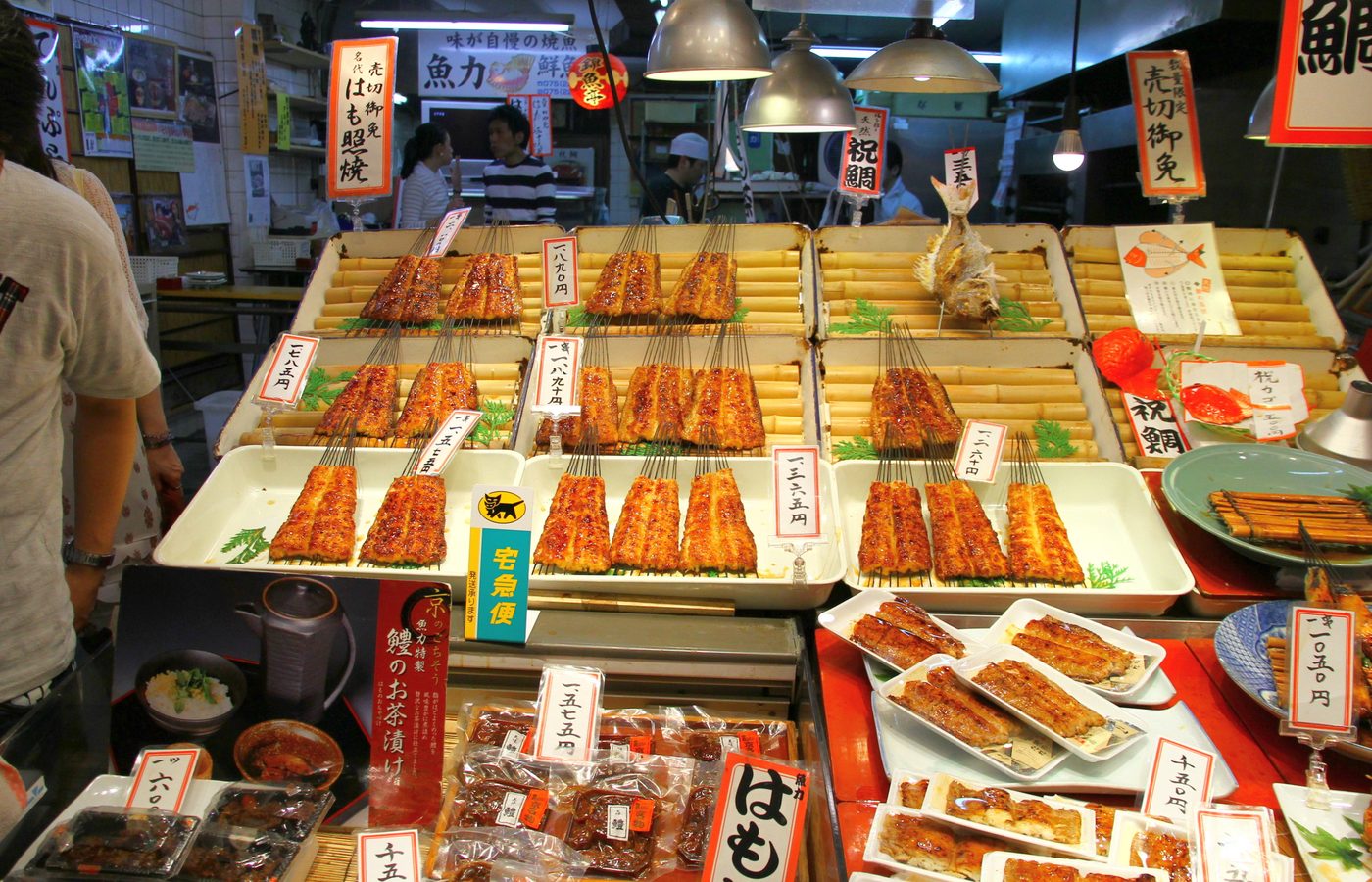
Known as "Kyoto’s Kitchen," Nishiki Market is a narrow shopping street packed with over a hundred shops and restaurants. This is where you can see the incredible variety of Japanese ingredients, from fresh tofu and pickled vegetables to high-end Wagyu beef and artisanal knives. Trying the "Tako Tamago" (small octopus with a quail egg inside) or freshly made mochi is a rite of passage here. It’s loud, colorful, and smells like a mix of grilled seafood and roasted tea—a perfect contrast to the quiet temples.
6. The Philosopher’s Path: A Walk for Reflection
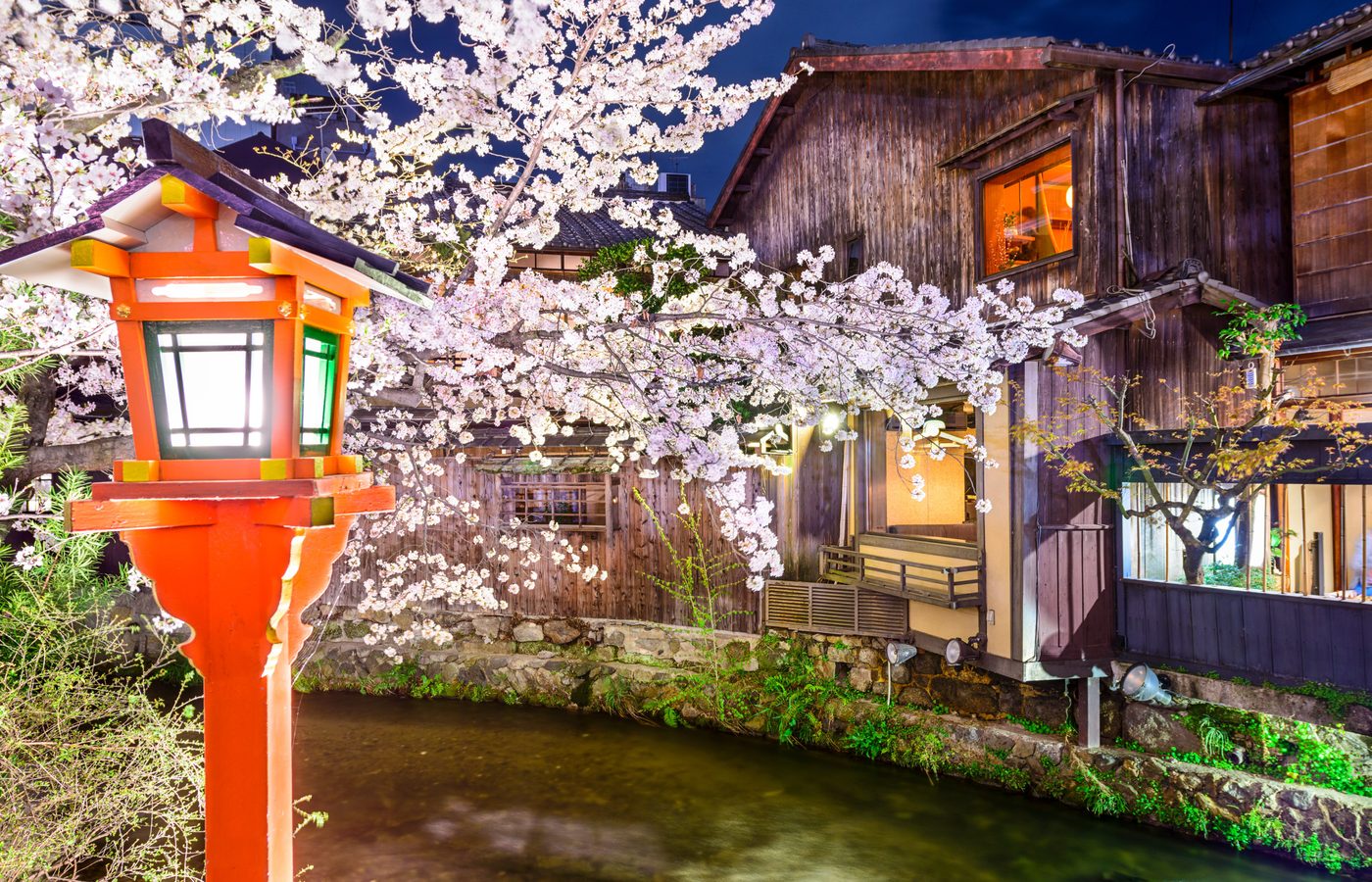
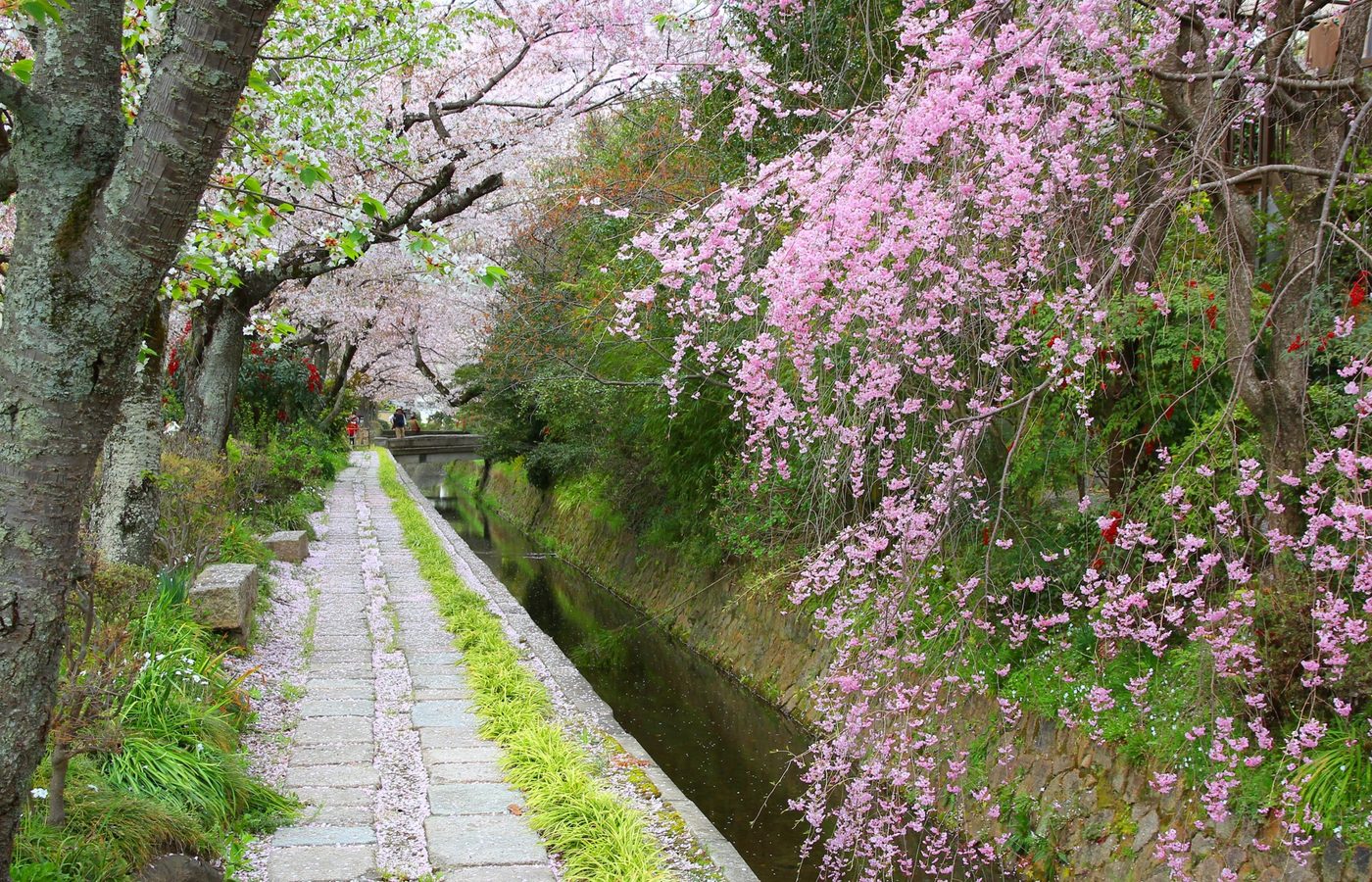
Following a stone path along a canal lined with hundreds of cherry trees, the Philosopher’s Path is one of the most beautiful walks in Japan. It’s named after a famous Japanese philosopher who used this route for his daily meditation. While it is world-famous during the "Sakura" (cherry blossom) season in April, it is equally stunning in early June when the hydrangeas are in bloom, or in November when the maple leaves turn a brilliant crimson. It’s a route that connects several smaller, quieter temples that many tourists skip, offering a more authentic look at local life.
7. Staying in a Machiya: The Luxury of Tradition
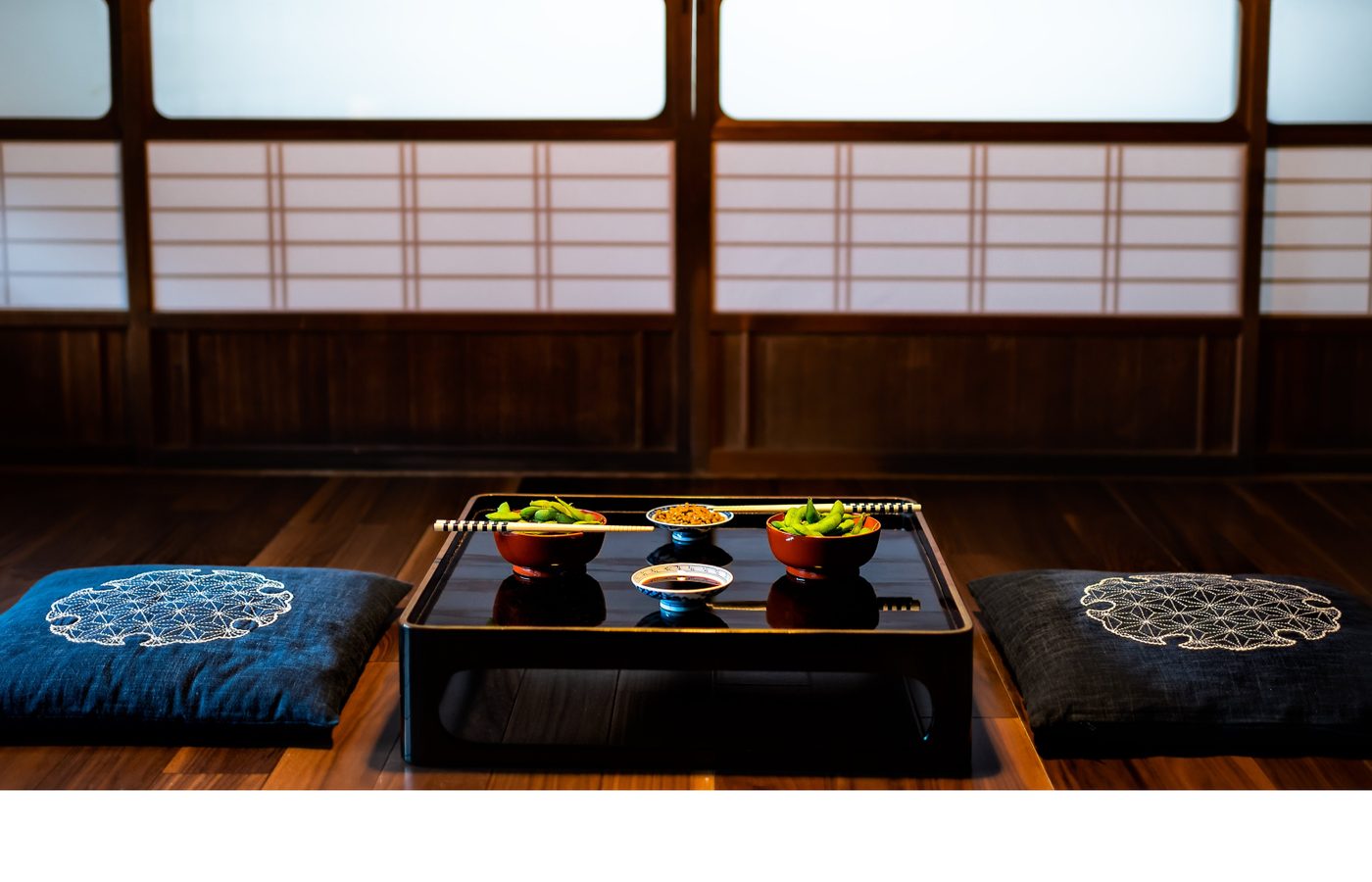
For the ultimate stay in Kyoto, skip the modern hotels and book a Machiya—a traditional wooden townhouse. Many of these have been renovated into luxury boutique villas, featuring hidden courtyard gardens and cypress wood bathtubs (hinoki-buro). Staying in a Machiya allows you to live like a Kyotoite, feeling the texture of the tatami mats under your feet and hearing the gentle rain on the tiled roof. It’s a deeply atmospheric way to immerse yourself in the city’s refined lifestyle.
Conclusion: Kyoto is not a city you visit; it’s a city you feel. It’s found in the steam of a tea cup, the moss on a stone lantern, and the quiet bow of a monk. In a world that is always rushing forward, Kyoto is a gentle reminder of the beauty found in looking back.
Tags

Written by RAMA MEZIANE
Travel Blogger & Content Creator
I'm a travel blogger and content creator at KEMER TOURS. I love discovering beautiful places, sharing real travel experiences, and helping people plan unforgettable trips. Through my writing, I aim to inspire others to explore new destinations, find hidden gems, and travel with confidence, one story at a time.