Cape Town: A Three-Day Dialogue Between History and Horizon
 RAMA MEZIANE
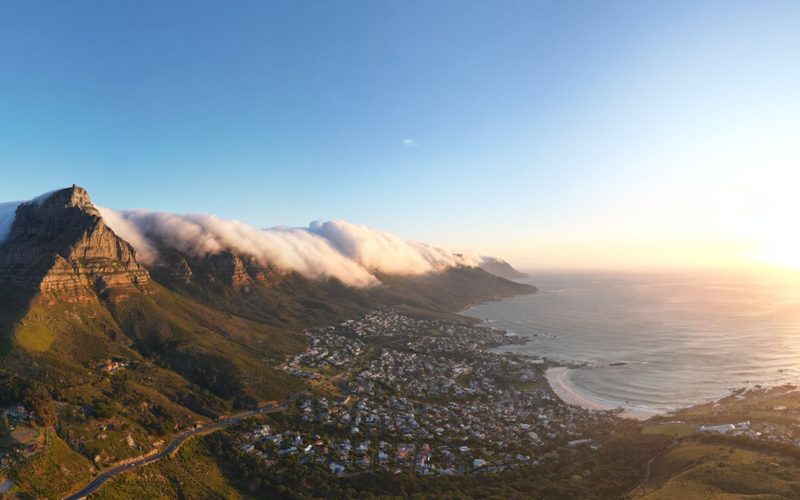
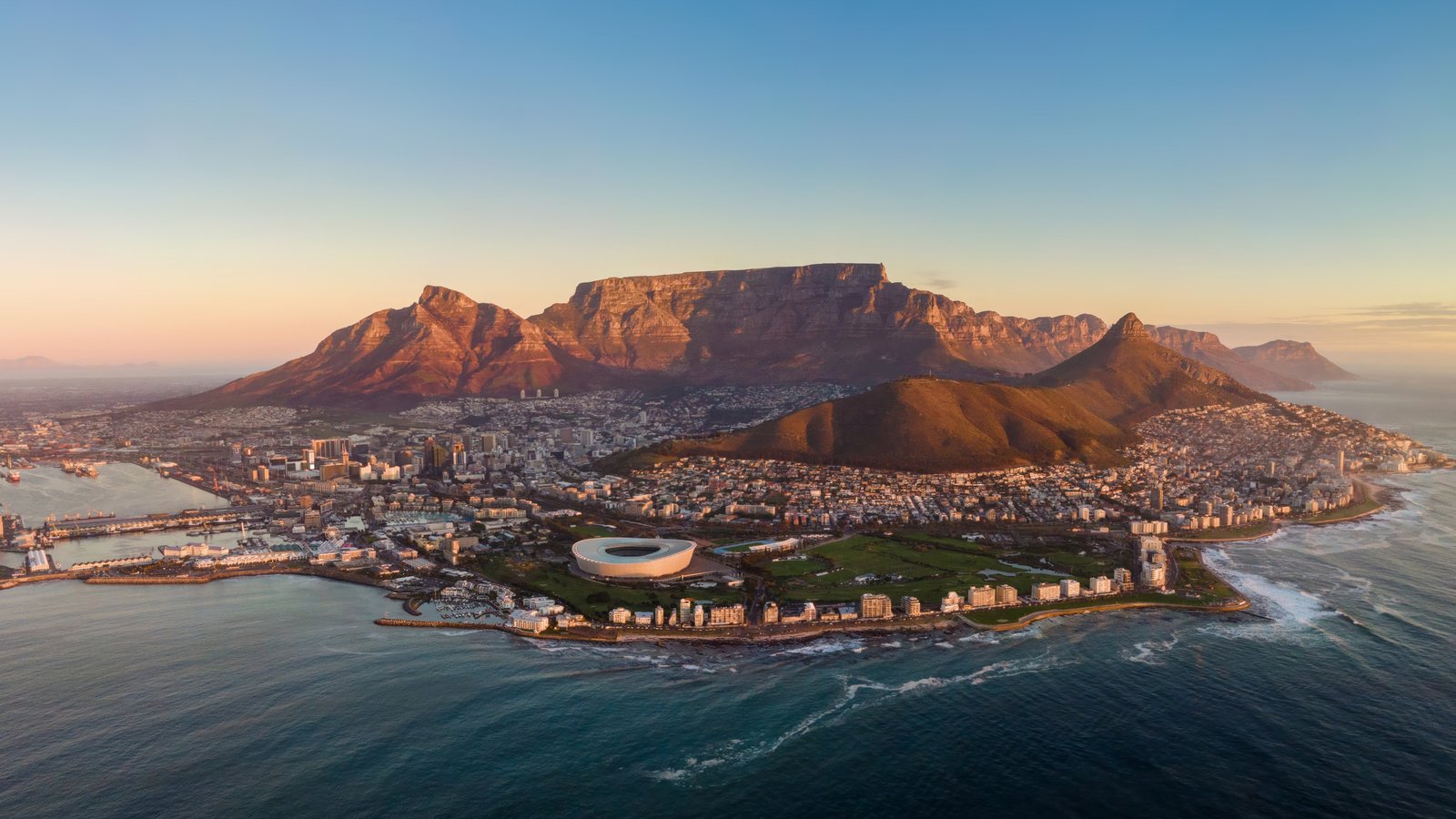
There are cities you visit, and then there are cities that you feel. Cape Town is the latter. It is a place where the mountains don’t just sit in the background; they define the rhythm of the streets. If you have seventy-two hours to spare, there is a path through this city that weaves together its heavy history, its wild coastline, and its sophisticated valleys into a single, seamless story.
Day 1: The Weight and the Wing
The journey begins at the V&A Waterfront, but not for shopping. You board a ferry to Robben Island. There is a specific kind of silence that hangs over the limestone quarries and the narrow corridors of the prison where Nelson Mandela spent decades. Walking those grounds isn't a typical "tourist activity"; it’s a quiet meditation on resilience.
Returning to the mainland, the perspective shifts from historical depths to literal heights. A cable car ride up Table Mountain offers a panoramic reset. Looking down at the Atlantic Seaboard from $1,085$ meters above sea level, the city’s complex past seems to harmonize with its natural grandeur. The day often ends in the vibrant, spice-scented streets of Bo-Kaap, where every brightly painted house tells a story of heritage and survival.
Day 2: The Atlantic’s Edge
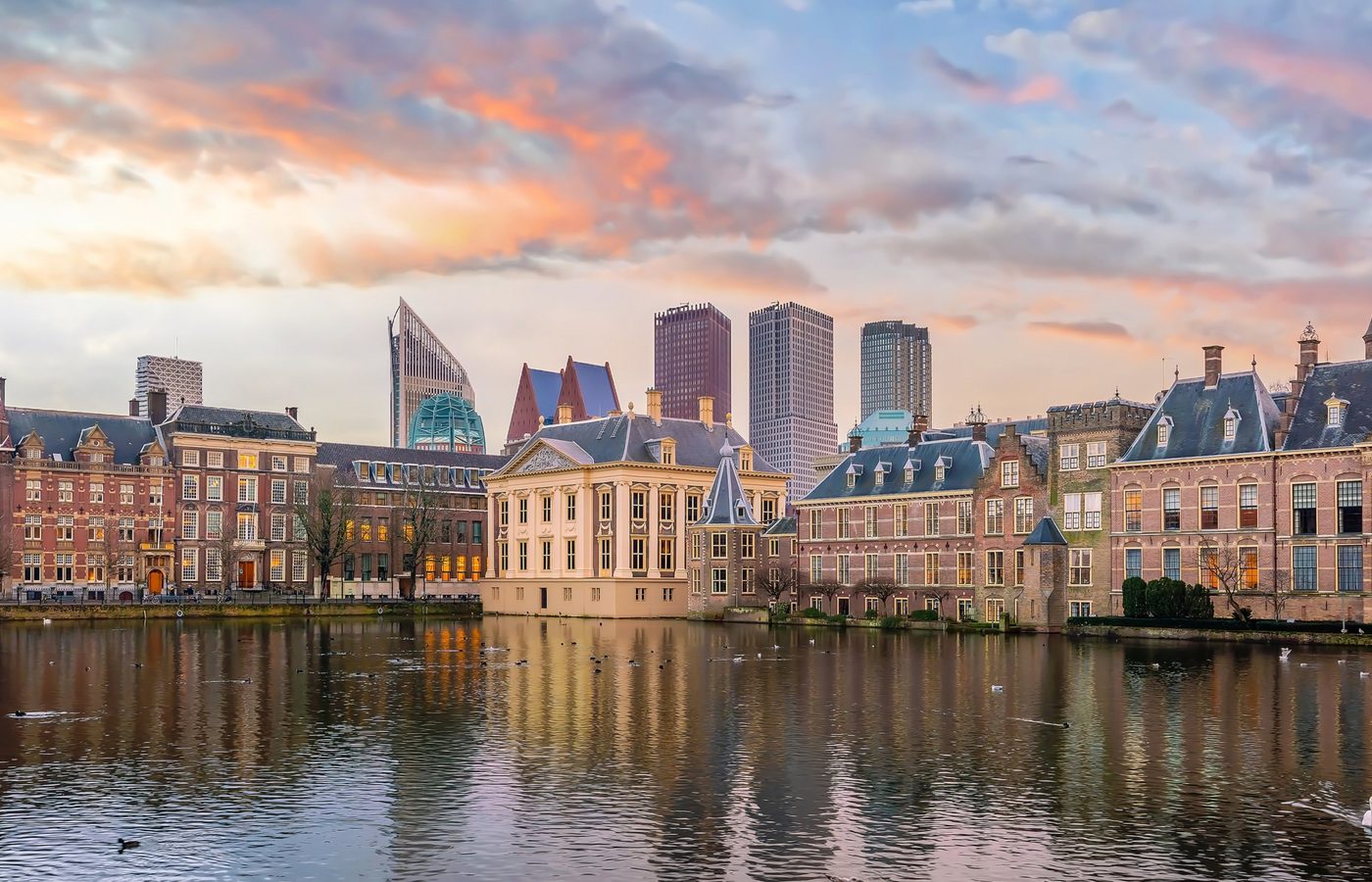
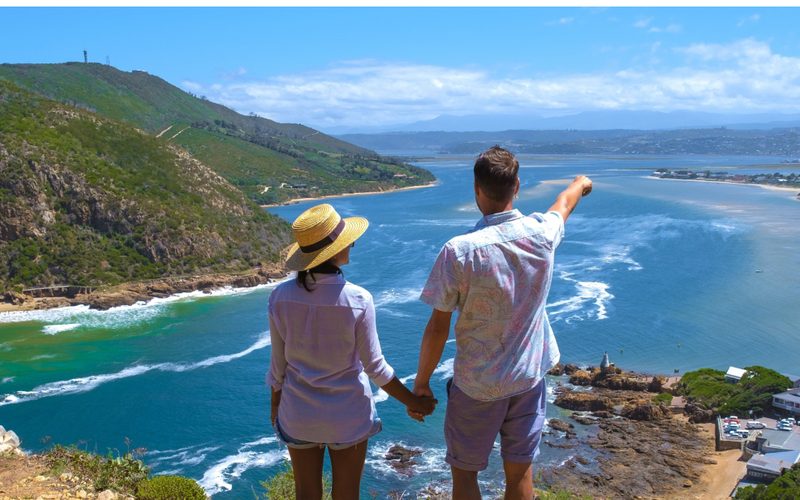
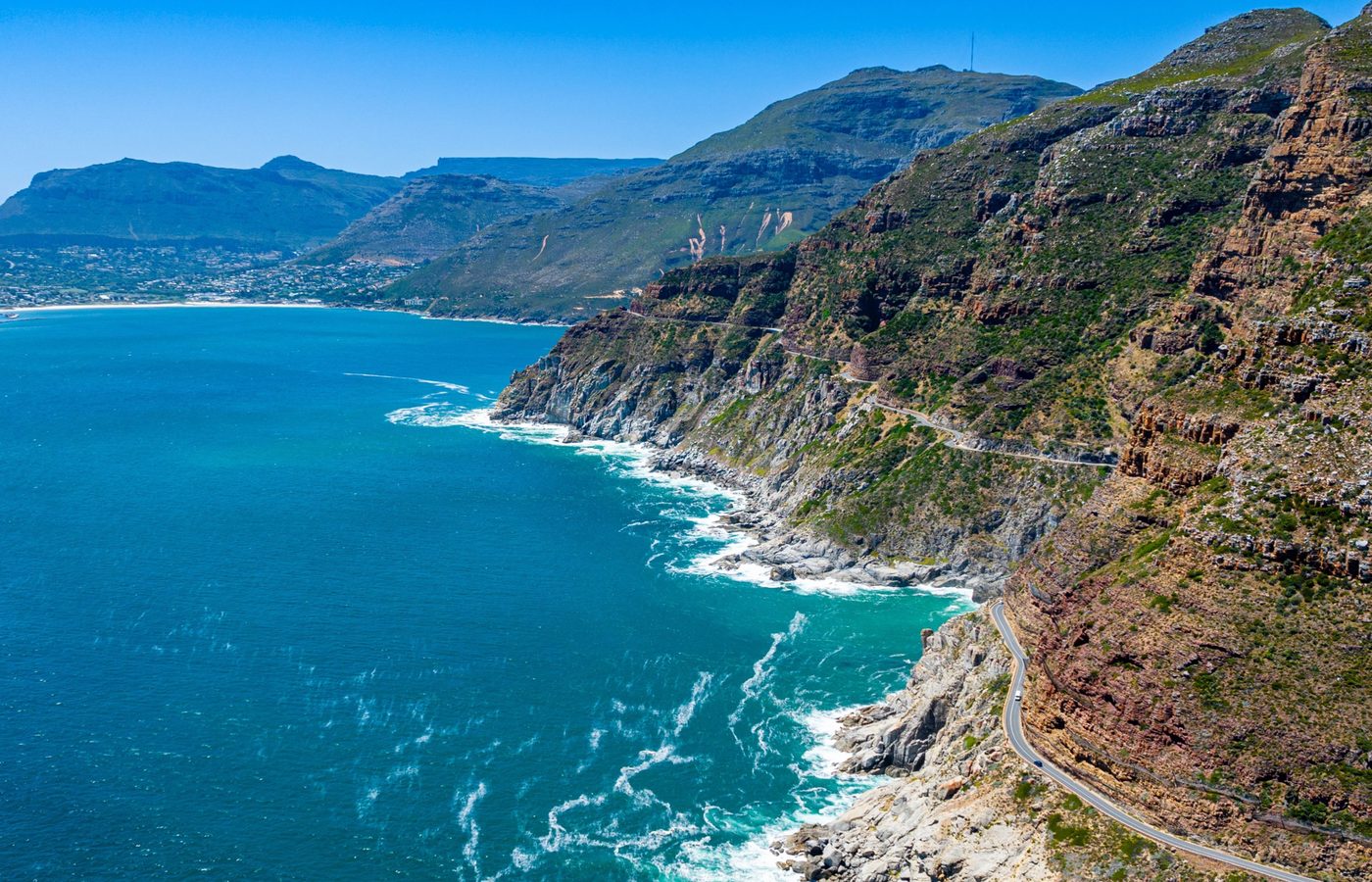
Day two is dedicated to the road. Following the curve of Chapman’s Peak Drive, you quickly understand why this is considered one of the most scenic routes on the planet. The road is a masterpiece of engineering, etched into the cliffs with the ocean crashing far below.
The destination is the Cape of Good Hope, the rugged southwestern tip of the continent. But the true stars of the day are often the "locals" at Boulders Beach. Watching the African Penguin colony waddle across the white sand is a reminder of the Cape’s raw, untamed side. It’s a day of salt air, wind-swept lighthouses, and the feeling of standing at the very edge of the world.
Day 3: The Slow Pour of the Valleys
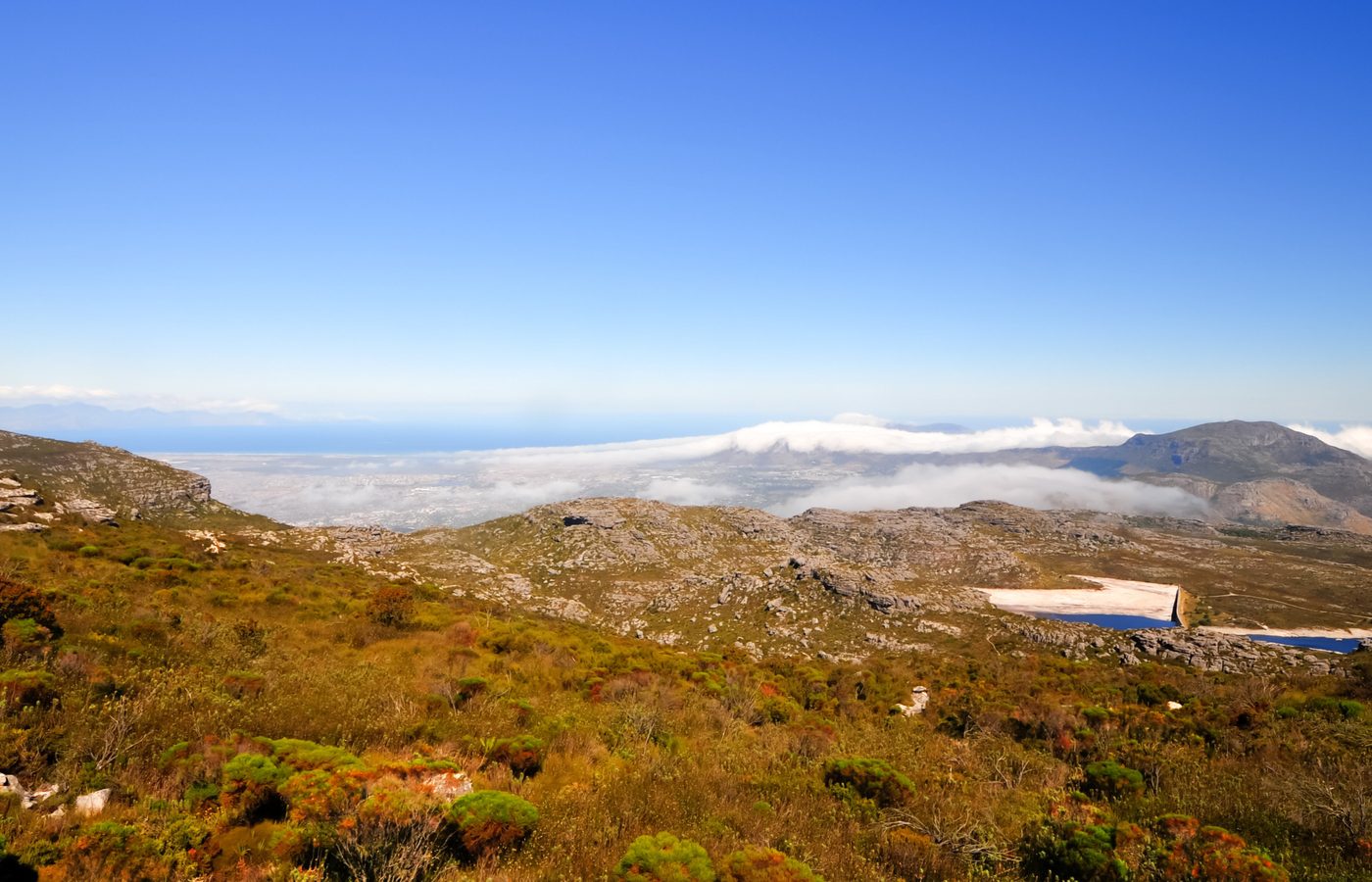
After the intensity of the coast, the third day moves inland toward the Winelands. The air changes here—it becomes softer, scented with oak and ripening grapes. Towns like Franschhoek and Stellenbosch feel like a Mediterranean dream filtered through a South African lens.
Visiting estates like Delaire Graff or Fairview isn't just about the wine; it’s about the architecture and the art. You find yourself sitting under ancient oaks, looking out at jagged mountain ranges, and realizing that the Cape’s sophistication is just as deep as its history. It is the perfect, slow-paced finale to a whirlwind three days.
A Final Note for the Curious Traveler
While Cape Town can be explored solo, there is a quiet luxury in having the logistics handled. The true value of a curated 3-day private journey isn't just the pre-booked access to sites like Robben Island—which often sell out weeks in advance—but the mental space it grants you.
When the driving, the tickets, and the timing are expertly managed, the itinerary is allowed to breathe. It means staying an extra twenty minutes to watch the penguins, or lingering over a glass of Chenin Blanc in the sun without checking your watch. It turns a "tour" into a personal narrative, guided by someone who knows the city's secrets as well as its landmarks.
Pro-Tip :
- Remember that Cape Town’s weather is famously moody. The "South Easter" wind can roll the clouds over the mountain in minutes, even on a sunny day. Always dress in layers—it’s the local way of life and the only way to stay comfortable as you move between the windy coast and the warm valleys.
Tags

Written by RAMA MEZIANE
Travel Blogger & Content Creator
I'm a travel blogger and content creator at KEMER TOURS. I love discovering beautiful places, sharing real travel experiences, and helping people plan unforgettable trips. Through my writing, I aim to inspire others to explore new destinations, find hidden gems, and travel with confidence, one story at a time.